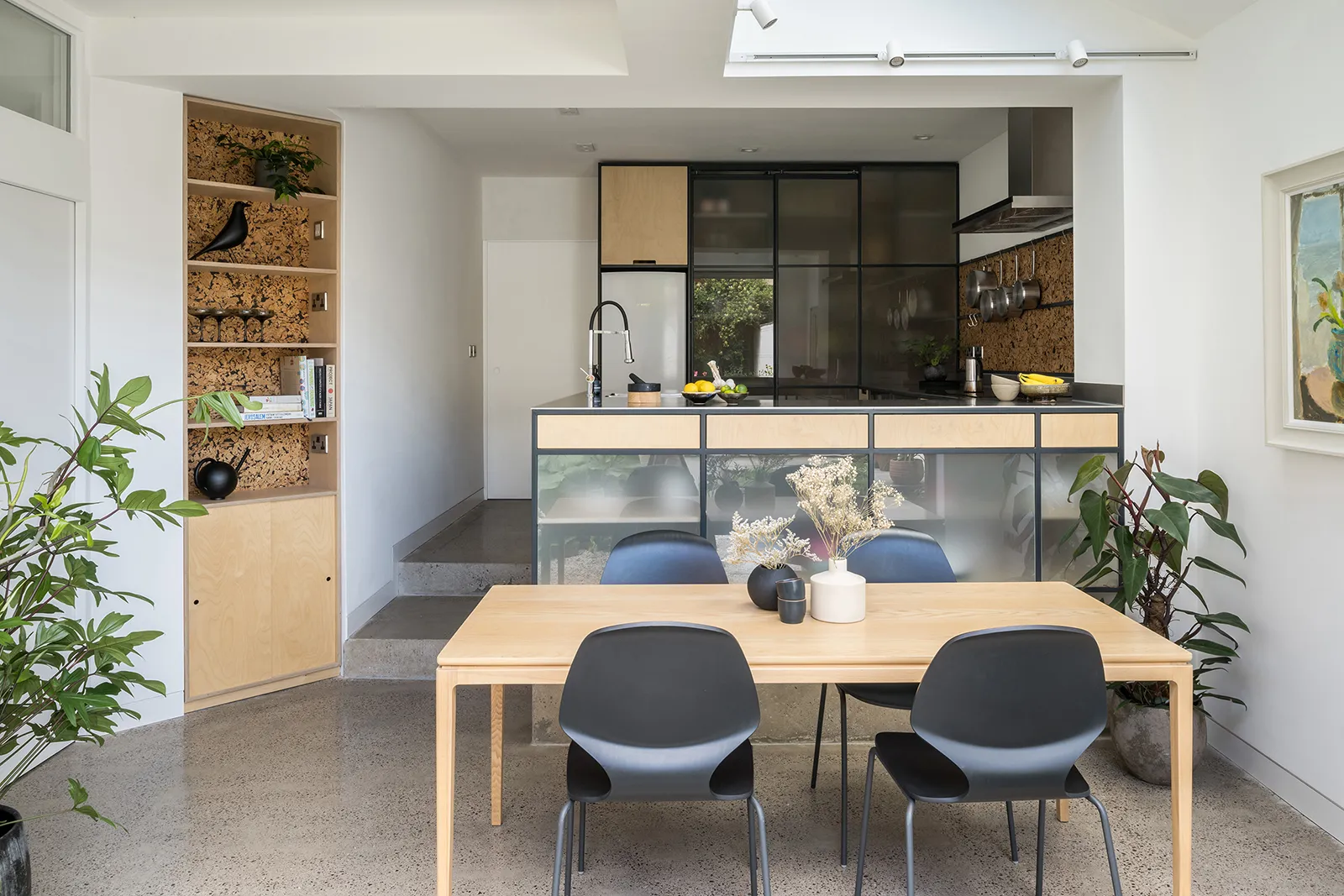
The Good:
Which spaces work well in your home, and why?
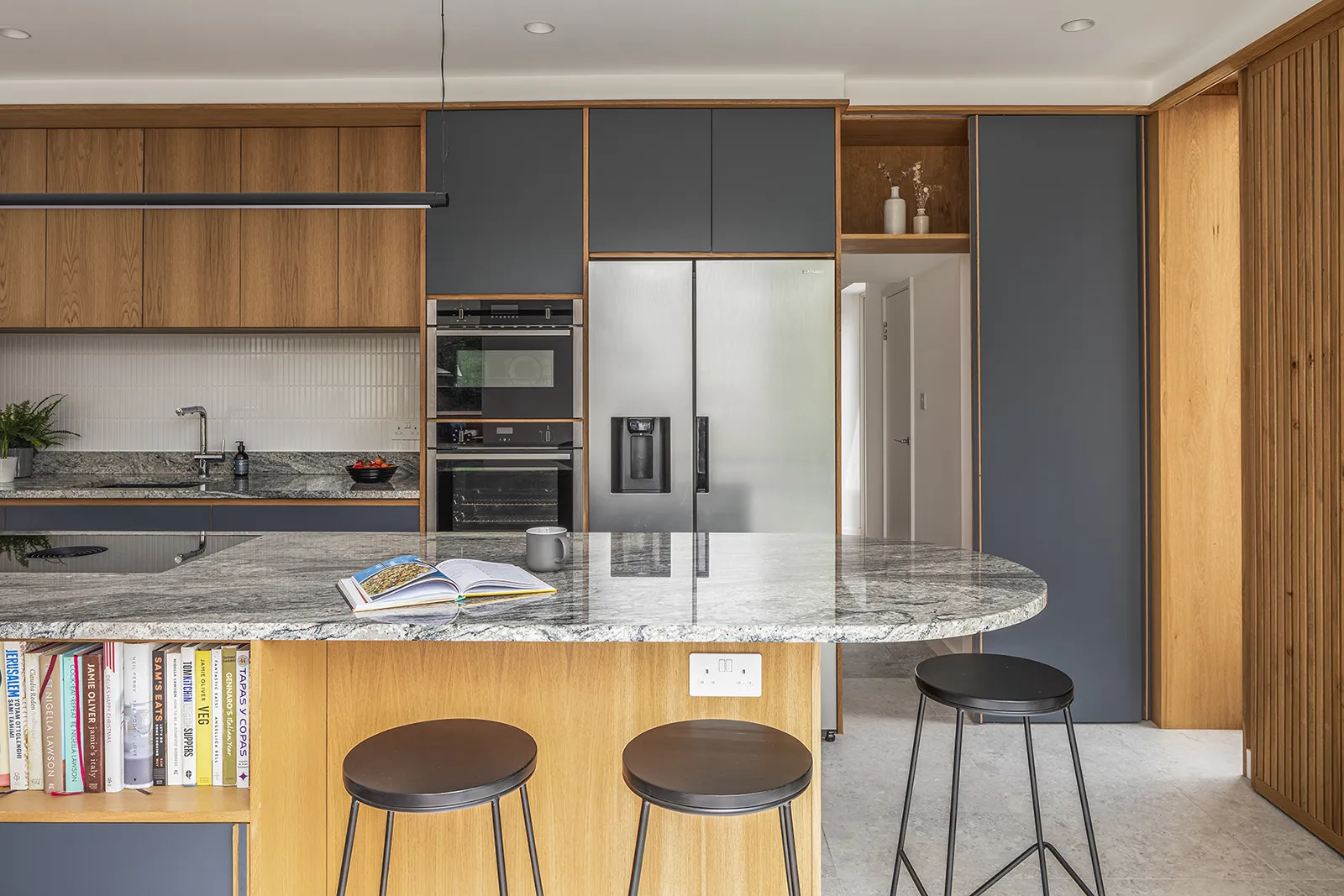
Which rooms do you enjoy spending time in, and why? Use your five senses — sight, touch, smell, hearing, and taste — to notice what makes these spaces work for you. Maybe it’s a view through the window, plenty of natural light, peace from nearby noise, or the comforting smells of cooking in the kitchen — like in our Corbel House project.
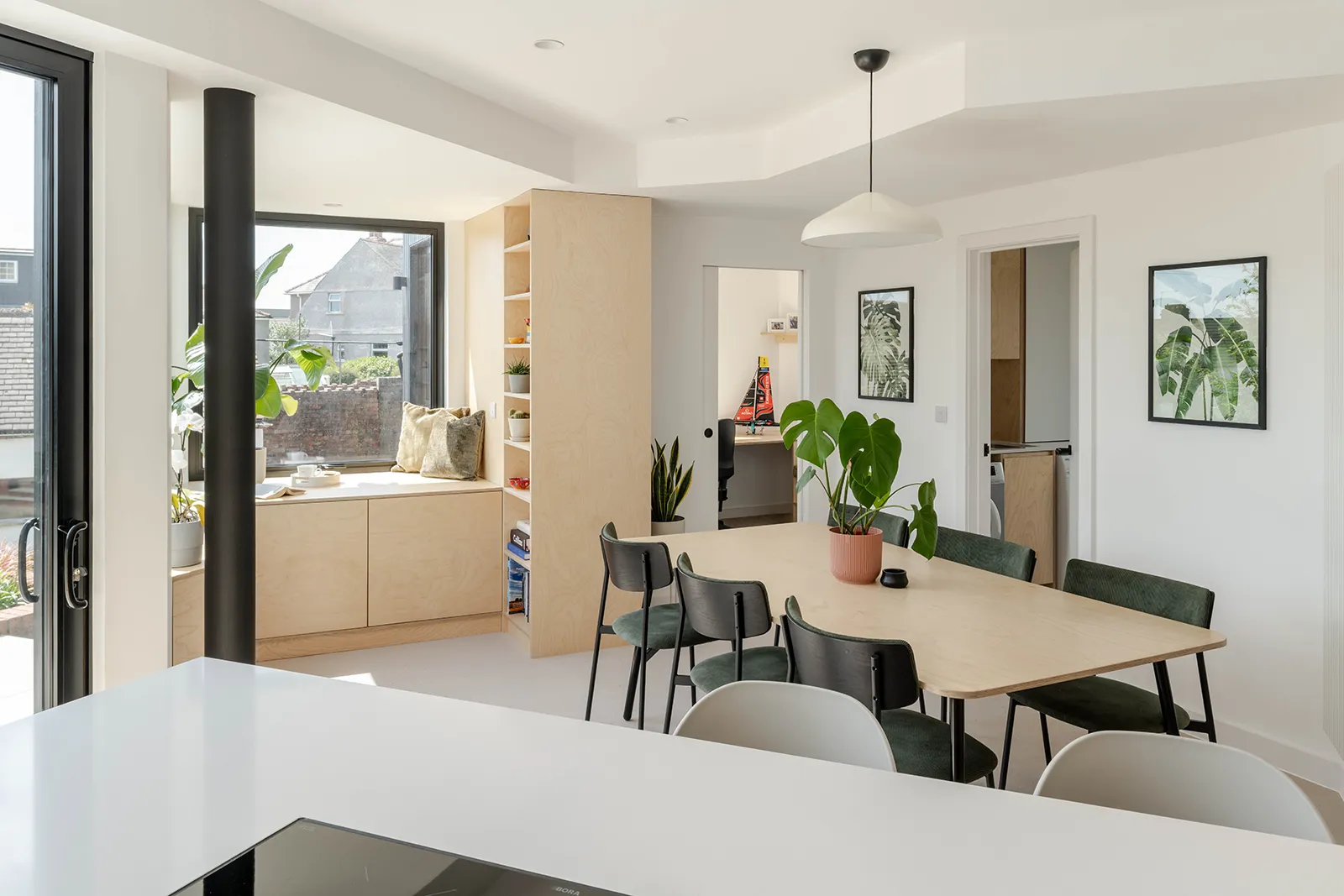
The Bad:
Which spaces in your home don’t work well,
and why not?
Use your five senses again to notice what isn’t working in your home. Is it too noisy to relax or focus? Too hot or cold? Too cramped for everyone who needs to use it? Too dark, or simply not fit for purpose?
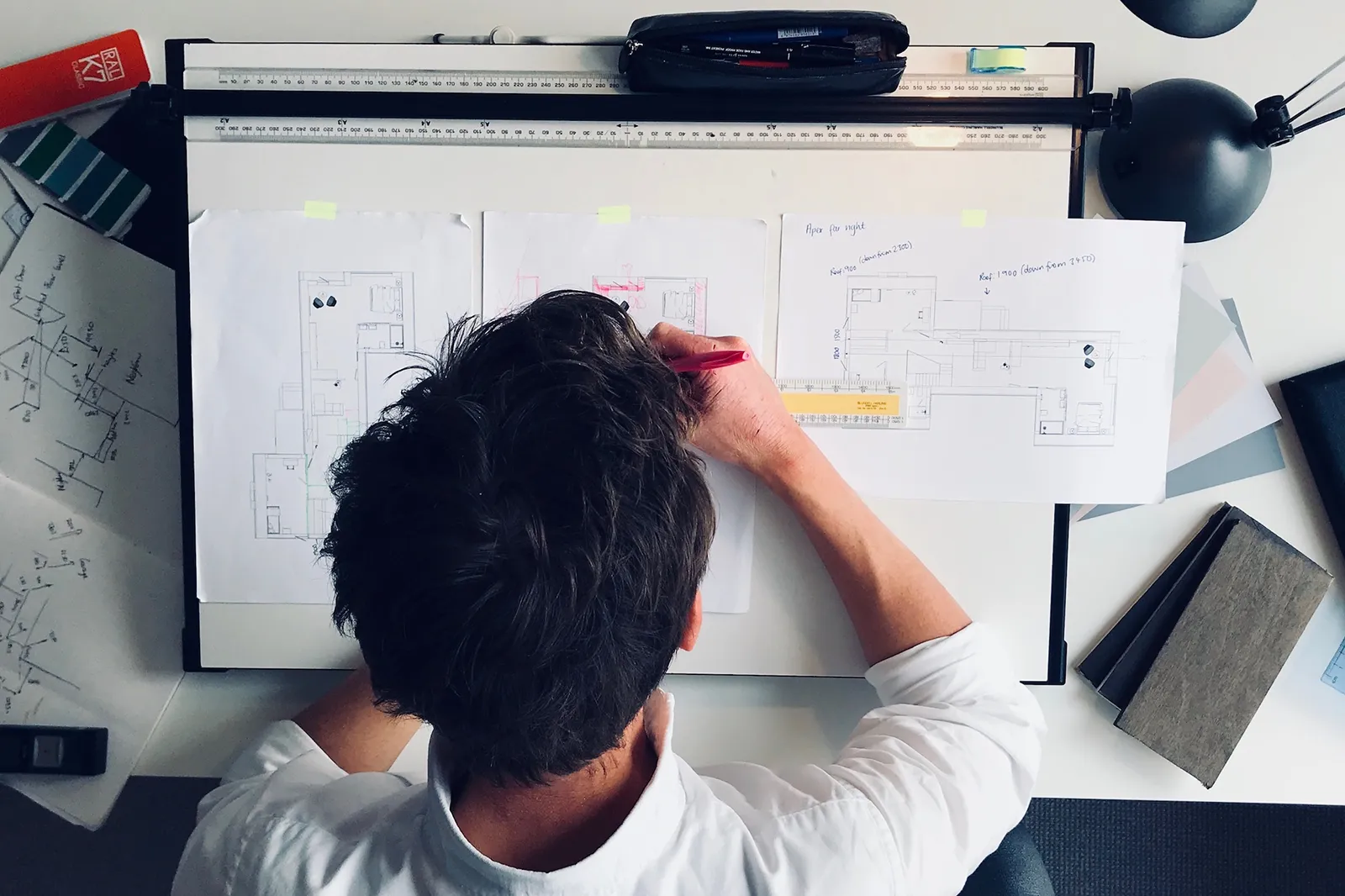
The Dream:
How would you like your lifestyle to change as a result of home improvement work?
Have you ever wished you could look out onto the garden while dining? Or imagined the whole family together in one space — cooking, playing, doing homework? Is your kitchen too small for dinner parties, leaving you and your guests in separate rooms? At this stage, focus on how you want to live rather than solutions. Clearly describing your ideal lifestyle will help identify a range of possibilities, not just extending your home.
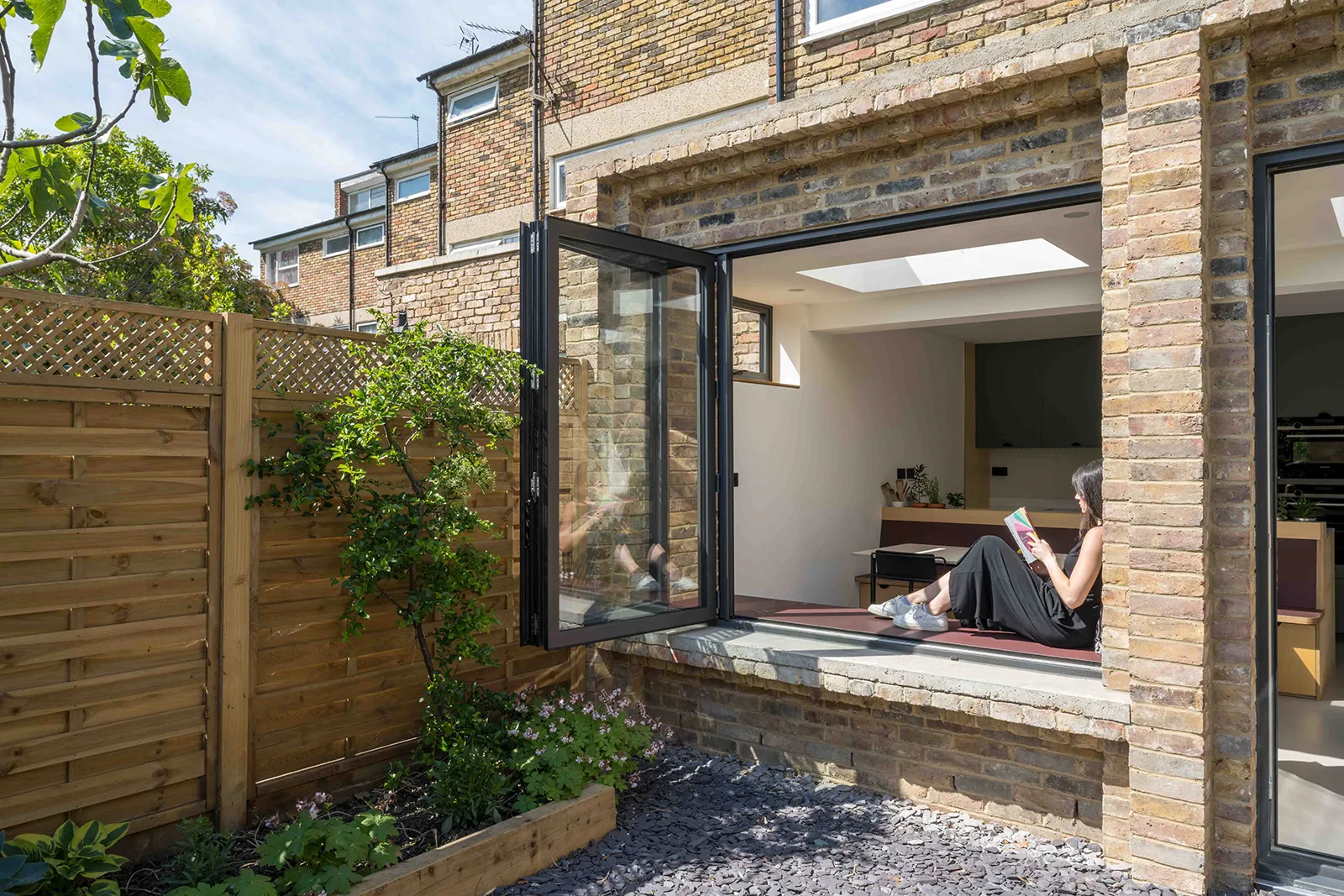
The Negotiable:
What are you willing to compromise on?
Look at the spaces in your home that work well and those that don’t. Reconfiguring your layout might involve removing internal walls — which areas are non-negotiable? If you value your lounge as a separate space, would you consider opening it up for a more open-plan layout? If an extension is the best solution, how much garden space are you willing to give up? While a separate utility room or boot room might be on your wish list, is a larger kitchen a higher priority? Try weighing your answers to question 3 to help clarify your true priorities.
The Budget:
How much can you afford to spend?
You don’t need to worry about every detail just yet, but it’s worth keeping an eye on your budget. Extension costs can vary a lot depending on size and location: loft conversions are usually cheaper than ground-floor extensions, and basements tend to be the priciest option. If money is tight, it’s often worth looking at ways to reconfigure your existing space before committing to an extension — sometimes small changes can make a big difference — as we did at Beatty House.